
Visiting an optometry clinic is an essential step in taking care of your eye health. However, it can be overwhelming to know which questions are most important to ask. This article explores the key questions you should consider asking to ensure a comprehensive understanding of your eye health and treatment options. By engaging with your optometrist and having a list of pertinent questions ready, you can make the most of your visit. As you navigate discussions about diagnoses, treatments, and overall eye health, having clarity will empower your healthcare decisions. According to the Optical Training Institute, the average lens thickness is between 1 and 2 mm.
Section 1: Understanding Your Diagnosis
1.1 What is the exact nature of my eye condition?
Understanding your diagnosis is crucial in managing your eye health effectively. Your optometrist should provide a detailed explanation of your condition, whether it is refractive errors like myopia, hyperopia, or astigmatism, or more complex issues like glaucoma or cataracts. By asking for clarification on medical terminology, you can gain deeper insights into what each diagnosis means for your vision. Inquiring about the root causes of your condition can also help you understand the potential lifestyle, genetic, or environmental factors involved. The better you comprehend the specificities of your condition, the more proactive you can be in your treatment and management during your visit to an optometry clinic.
1.2 How was this diagnosis determined?
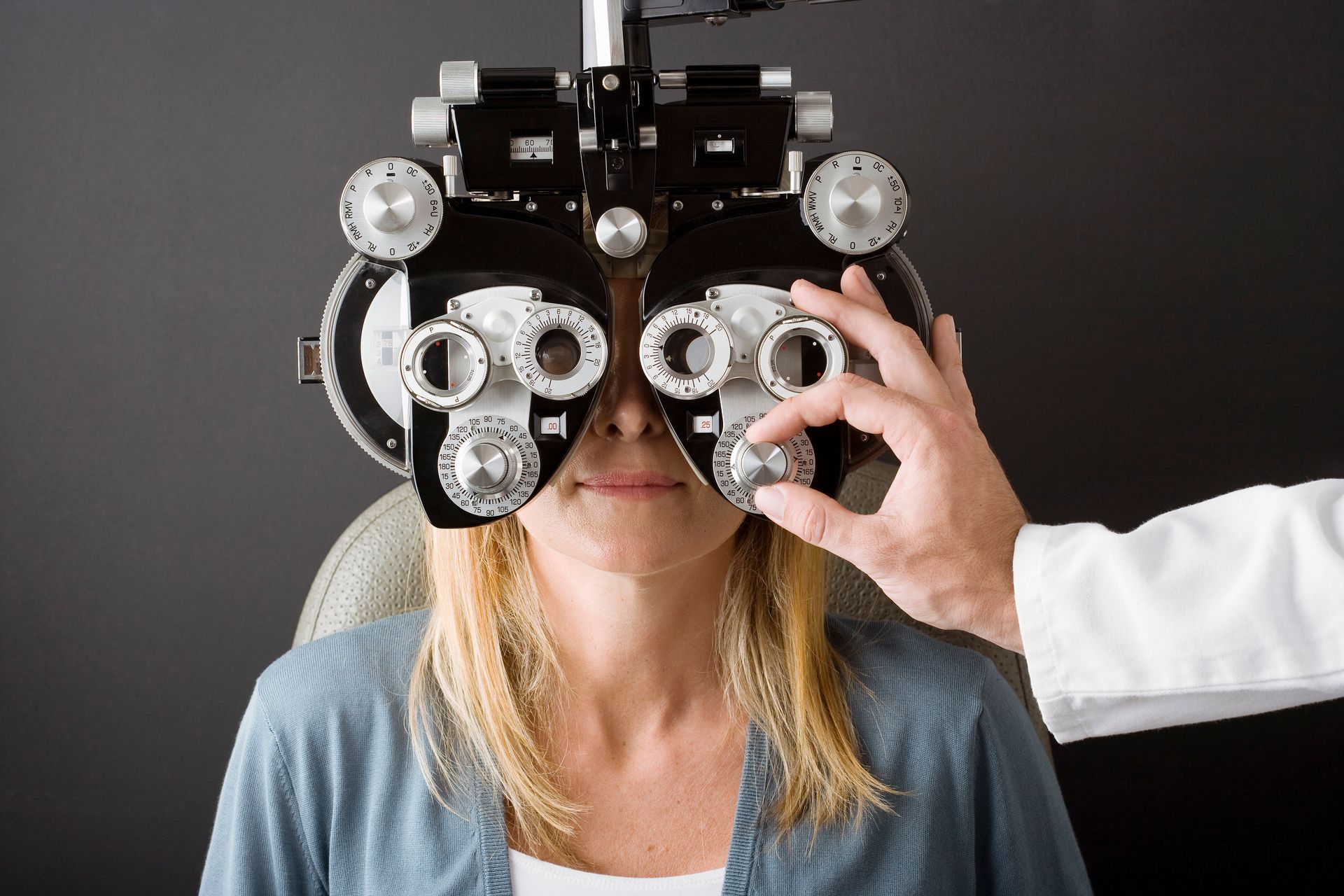
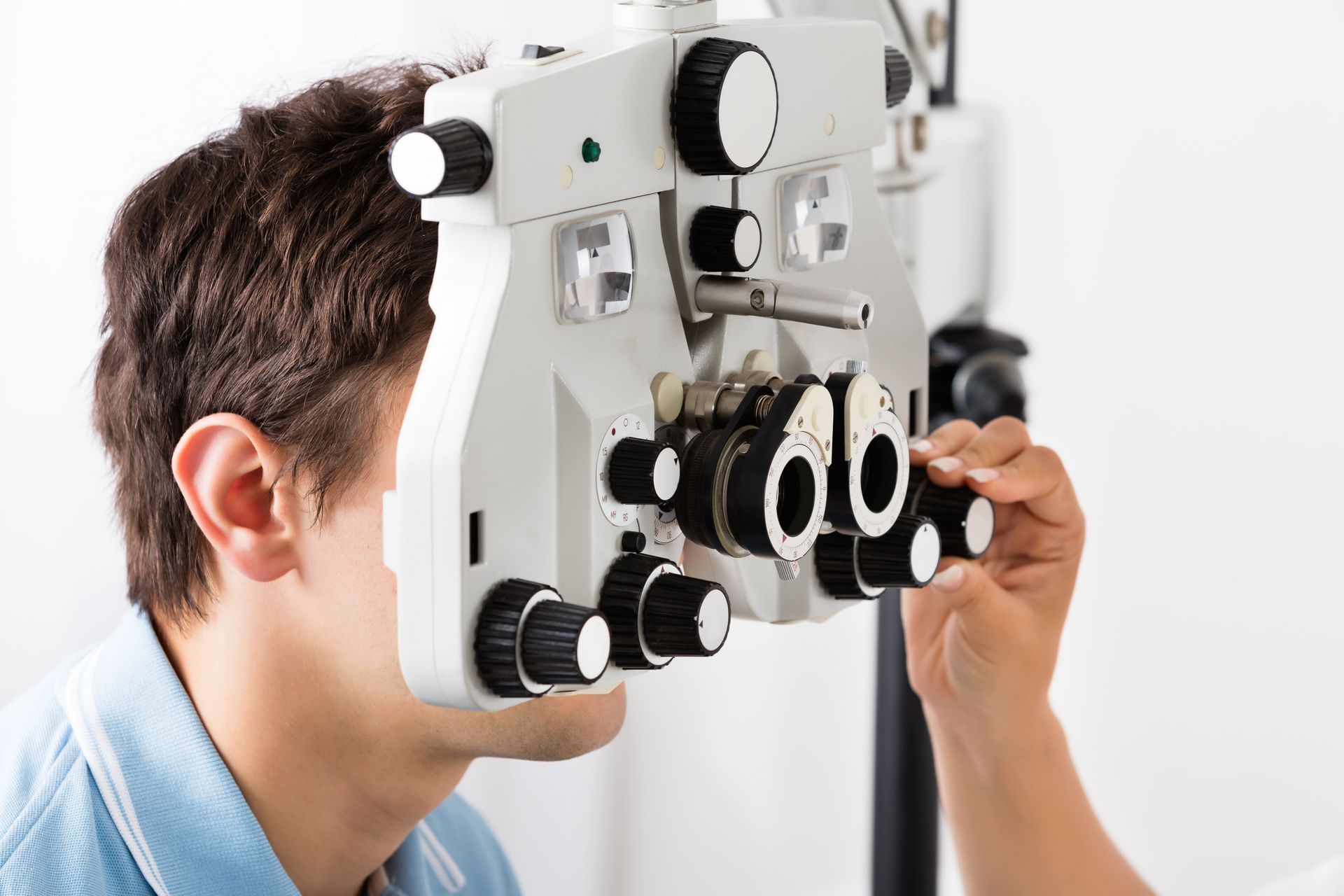
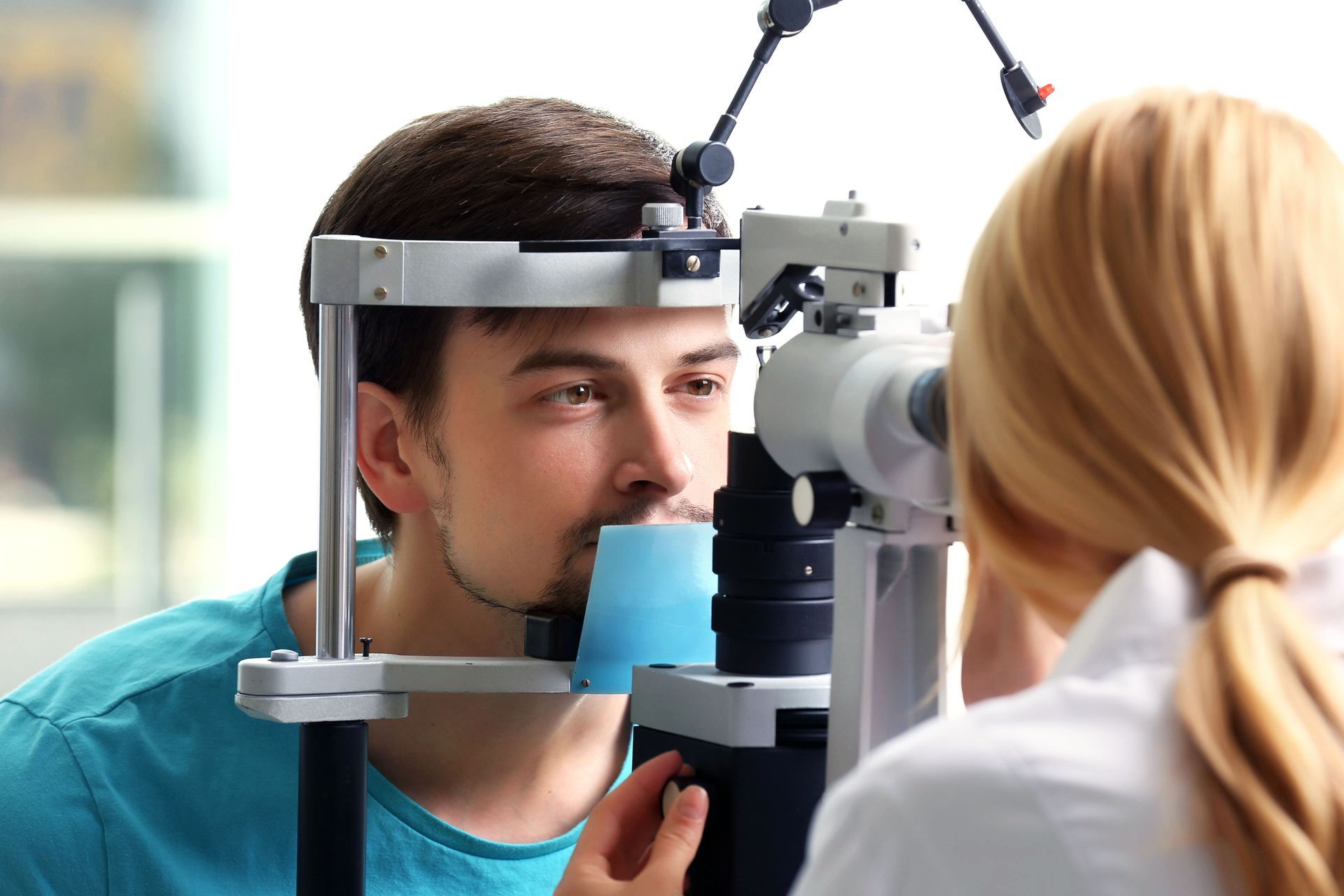
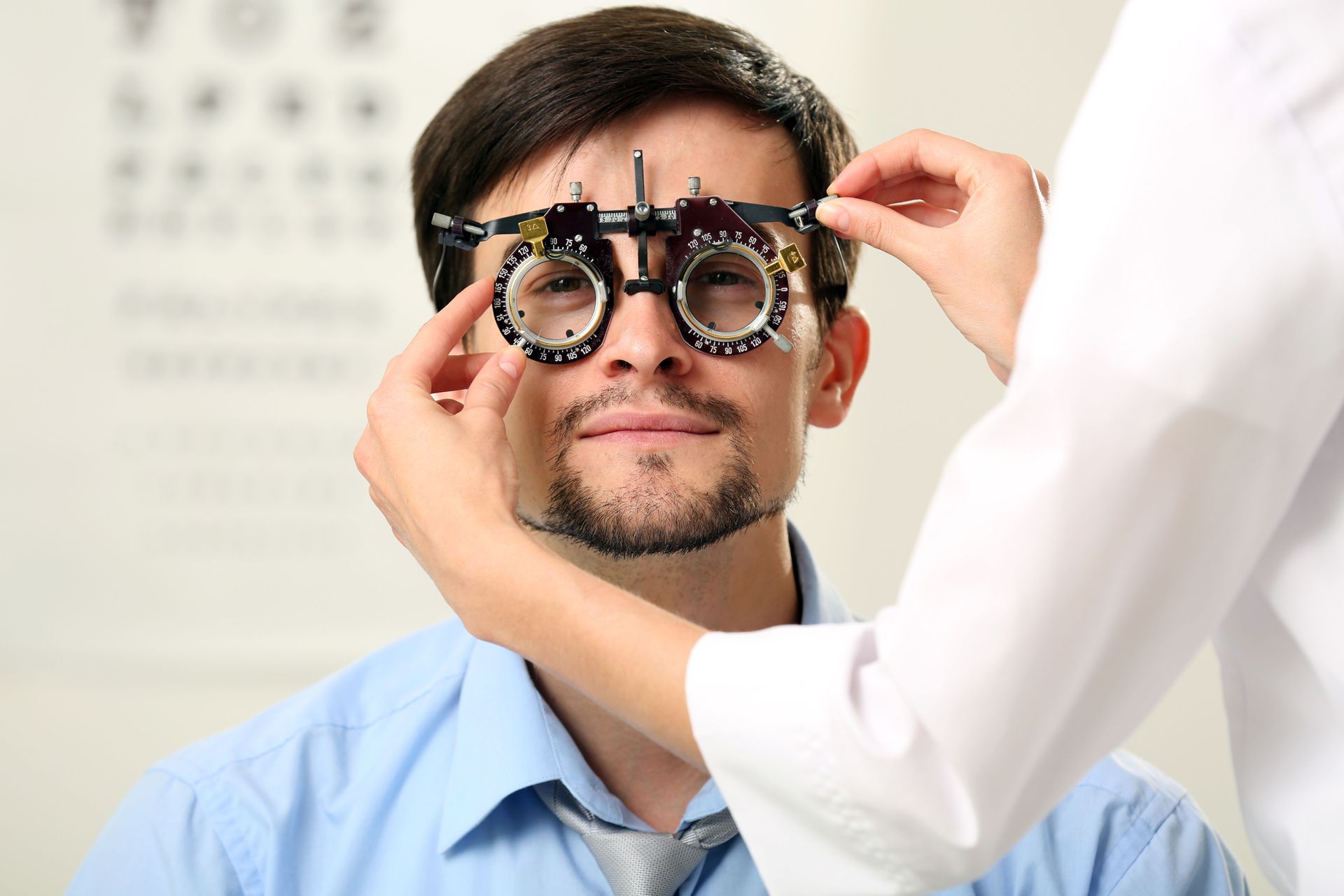
Your diagnosis should be based on a series of tests and evaluations conducted during your visit. Common diagnostic tools include vision tests, dilated eye exams, and retinal imaging. Your optometrist may use a phoropter to determine your prescription and tonometry to measure eye pressure. Asking about the equipment and procedures used can provide reassurance about the thoroughness of your examination. Additionally, understanding how these assessments align with your personal symptoms will ensure a more comprehensive grasp of your diagnosis.
1.3 Are there different types of this condition?
Many eye conditions have multiple forms or stages, making it essential to identify which type you have. For example, glaucoma can be open-angle or angle-closure, with different treatment paths. Seeking clarification on whether your condition is progressive helps you anticipate future care needs. Some types might be stable and manageable with regular check-ups, while others may require more aggressive intervention. Discussing the specifics of your type will help tailor your treatment plan effectively.
1.4 What is the prognosis for my condition?
A discussion about the prognosis provides an outlook on how your condition might progress. Understanding potential changes in your vision over time helps you prepare mentally and practically for future adjustments. Your optometrist might also provide insights on the likelihood of symptom exacerbation, stability, or potential improvement with treatment. A positive outlook can encourage adherence to treatment and prompt lifestyle modifications that support eye health. By grasping the long-term effects, you can better strategize for ongoing care.
1.5 How often should I schedule follow-up visits?
Regular eye exams are crucial for monitoring and managing your condition effectively. Your optometrist will recommend a schedule based on the severity and nature of your condition. Some conditions necessitate frequent monitoring, while others are stable enough to require less frequent visits. Sticking to this schedule allows timely interventions and adjustments to your treatment plan. Routine check-ups can also detect any new or worsening symptoms promptly, ensuring you maintain optimal eye health.
Section 2: Treatment Options
2.1 What treatment options are available for my condition?
Treatment options can range from prescription eyeglasses and contact lenses to surgical interventions like LASIK. Your optometrist should outline each available treatment and provide a balanced overview of what they entail. For conditions such as dry eye, treatments may include artificial tears or lifestyle changes. Understanding how each treatment addresses your condition will enable you to weigh your options effectively. You should also inquire about any new or alternative treatments that might be suitable.
2.2 What are the benefits and risks of each treatment?
Every treatment comes with its own set of benefits and potential risks, which must be weighed carefully. While corrective lenses might offer immediate vision improvement, surgery could provide longer-term solutions but with possible side effects. Ask your optometrist to detail the short and long-term outcomes you can expect. This information aids in aligning your treatment choice with your lifestyle and comfort level. By understanding potential downsides, you can make a well-rounded decision that fits your personal health goals when visiting an optometry clinic.
2.3 How do these treatments work?
It is essential to understand the mechanisms of action for each proposed treatment to choose effectively. Treatments like LASIK reshape the cornea to correct vision, while glasses and lenses adjust the focal point entering the eye. Understanding how these changes impact your vision can provide peace of mind and set expectations. Optometrists should explain whether a treatment directly addresses the root cause or alleviates symptoms. An informed choice ensures that the treatment aligns with your needs and health expectations.
2.4 What is the success rate of each proposed treatment?
Knowing the success rate provides confidence in the chosen treatment option. Your optometrist should share data from clinical studies or their professional experience, offering insights into how often patients experience relief or improvement. Some treatments may boast high success rates but might not be suitable for every patient. A treatment’s history of efficacy can reassure you of its potential benefits. Discussing this with your optometrist can help you manage your expectations and measure the treatment’s potential impact accurately.
2.5 Are there lifestyle changes I should consider alongside treatment?
Lifestyle modifications can significantly enhance the effectiveness of your treatment. For example, reducing screen time or wearing sunglasses outdoors can alleviate symptoms of eye strain or prevent progression. Your optometrist may recommend dietary changes rich in eye-friendly nutrients such as omega-3 fatty acids and vitamins A, C, and E. Regular exercise and adequate hydration can also contribute to overall eye health. By integrating these habits into your daily life, you support better outcomes from other treatments.
Section 3: Eye Health Maintenance
3.1 What habits should I adopt for better eye health?
Healthy eye habits are pivotal for maintaining and improving vision. Regular breaks during screen time can alleviate eye strain, and following the 20-20-20 rule can help relax eye muscles. Protective eyewear during activities such as sports can prevent injuries and further complications. Practicing good hygiene with contact lenses is critical to avoid infections. Asking your optometrist for a personalized eye care plan ensures you incorporate effective habits into your lifestyle.
3.2 Are there specific eye exercises you recommend?
Eye exercises can strengthen eye muscles and alleviate specific symptoms, although they cannot correct refractive errors. Practices such as focal shifts and figure-eight motions can improve flexibility and convergence. Regularly practicing these exercises can complement other treatments, ensuring more comprehensive eye care. It is essential to have guidance from your optometrist to tailor exercises to your needs. By committing to a routine, you may also experience reduced fatigue and improved focus.
3.3 How does screen time impact my vision?
Excessive screen time is a common cause of digital eye strain, characterized by symptoms such as dryness, irritation, and difficulty focusing. The blue light emitted by screens can also interrupt sleep patterns and affect overall well-being. Being conscious of the time spent on digital devices and taking regular breaks is crucial. Adjusting brightness and contrast settings, as well as maintaining a proper distance from screens, can alleviate some of these issues. Your optometrist may also suggest specialized lenses that reduce blue light exposure.
Ensuring that you ask the right questions during your optometry clinic visit empowers you to make informed decisions about your eye health. By understanding your condition, exploring treatment options, maintaining eye health, considering corrective lenses, recognizing symptoms, and reviewing insurance and cost, you will be better equipped to take charge of your eye care journey. A comprehensive approach to each aspect transforms your visit into an opportunity for proactive health management. If you're looking for a reliable optometry clinic, make sure to contact Bright Side Eye Care today!

Share On: