
Determining whether you need glasses involves more than noticing blurry vision. Opticians play a central role in evaluating your eye health and vision clarity. From understanding the eye’s anatomy to conducting comprehensive tests, these professionals ensure that your vision needs are accurately assessed. With over 40% of Americans requiring corrective lenses, according to Popular Science, regular examinations are key. Understanding how opticians work helps patients feel confident about the process and ensures they get the most appropriate solutions. This article explores how optometrists evaluate your vision, guiding you toward the corrective solutions you may need.
Understand Eye Anatomy and Vision Basics
The human eye operates like a high-precision camera, with multiple components working together to translate light into images that the brain interprets. Key structures include the cornea, lens, iris, retina, and optic nerve. The cornea and lens focus light onto the retina, which houses rods and cones that detect light and color. From there, the optic nerve transmits signals to the brain. Any irregularity in these structures can impact visual clarity, creating the need for corrective lenses.
Beyond simple focusing, the eye also allows for perception of color, depth, and motion. Optometrists rely on their deep understanding of eye anatomy to identify conditions such as myopia, hyperopia, or astigmatism. Recognizing how these issues develop helps them design precise treatment plans. With the high prevalence of vision correction in the U.S., patients benefit when opticians apply this knowledge to ensure accurate prescriptions and long-term eye health. Regular awareness of eye anatomy can also help patients understand the importance of preventive measures, such as proper eye protection and healthy lifestyle habits.
Explain how Light Turns Into Sight
Vision begins when light enters through the cornea and passes through the pupil, the adjustable aperture controlling light intake. The lens then focuses the light on the retina, converting it into neural signals sent to the brain via the optic nerve. The brain processes these signals, allowing us to perceive the world with clarity.
The eyes ability to focus accurately is crucial. Conditions such as presbyopia, myopia, and astigmatism disrupt focus, resulting in blurred vision. Eye doctors employ advanced techniques to evaluate these discrepancies and determine the corrective measures needed. With precise assessments, patients receive glasses or contact lenses tailored to their visual requirements, restoring clarity and comfort. Understanding this process also highlights why early intervention is important, as even small changes in vision can affect daily performance, including reading, driving, and using digital devices.
Identify Common Vision Problems
Vision problems are widespread and often correctable. Nearsightedness (myopia) causes distant objects to appear blurry, while farsightedness (hyperopia) blurs close objects. Astigmatism results in distorted vision at any distance due to irregular corneal shape, and presbyopia affects near vision as the eyes age.
Optometrists use comprehensive exams to identify these issues and prescribe corrective lenses accordingly. Accurate measurements of the eye’s focusing ability allow patients to achieve improved clarity. Regular eye exams also help detect conditions such as glaucoma and cataracts early, preventing long-term complications and supporting overall eye health. When patients understand these common issues, they are more likely to adhere to recommendations, including consistent use of corrective lenses and routine follow-ups.
Examine the Role of Optometrists
Opticians are primary eye care professionals who evaluate, diagnose, and manage vision problems. They prescribe corrective lenses and provide comprehensive eye care, including medical and emergency visits, OptoMap assessments, and fittings for glasses or contact lenses. These professionals also consider a patient’s lifestyle, guiding choices for visual comfort and safety.
Beyond vision correction, opticians may detect systemic conditions like diabetes or hypertension through ocular indicators. Their ability to identify these early signs underscores their importance in overall health. Through personalized assessments, optometrists provide tailored solutions that maintain both short-term clarity and long-term eye wellness. This proactive approach ensures that vision challenges are addressed before they interfere with daily life.
Emphasize Why Regular Eye Exams Are Essential
Routine eye exams are critical for maintaining optimal vision and detecting silent eye diseases early. Conditions like glaucoma can progress without symptoms, making timely evaluations vital. Regular exams ensure prescriptions remain current, preventing strain, headaches, and visual fatigue.
Eye doctors also discuss lifestyle factors, such as screen use or visual demands at work, during these visits. Addressing these factors promotes long-term eye comfort and reduces strain. With over 40% of Americans needing glasses according to Popular Science, regular assessments are an investment in a lifetime of healthy vision. Additionally, these check-ups provide an opportunity to monitor eye health over time, ensuring even subtle changes are addressed promptly.
Gather Patient History During Initial Examination
Understanding a patient’s visual history is the first step in an eye examination. Discussions about past vision problems, headaches, or eye strain provide context for current concerns. This historical perspective helps optometrists identify recurring issues and anticipate future needs.
Medical history is equally important. Conditions like diabetes, hypertension, or hereditary eye disorders can impact vision. By considering overall health and medications, opticians provide comprehensive care that aligns with a patient’s lifestyle and well-being. Documenting these details ensures tailored, long-term eye health strategies. Additionally, this history allows opticians to track the effectiveness of treatments over time and make adjustments as necessary.
Assess Symptoms for Accurate Diagnosis
Clear communication of symptoms is essential for precise vision assessment. Patients describing dry eyes, double vision, or frequent headaches provide opticians with vital insights. This open dialogue enables targeted testing and accurate prescriptions.
Educating patients on the significance of early symptom reporting enhances outcomes. Prompt intervention prevents discomfort and preserves visual clarity. Eye doctors rely on this detailed symptom information to design solutions that restore and maintain optimal vision. Regular reporting also helps identify emerging conditions before they significantly affect daily activities.
Build Patient-Optometrist Relationships
Establishing trust with an optometrist fosters effective care. Collaborative relationships encourage patient participation in treatment plans and adherence to recommendations. Over time, these relationships support long-term vision management, ensuring adjustments to prescriptions and interventions are made promptly.
Regular engagement with optometrists strengthens continuity of care. Patients who feel heard and understood are more likely to follow preventive strategies and attend follow-up visits, contributing to sustained eye health and overall well-being. This partnership is particularly important for patients managing chronic conditions affecting the eyes.
Conduct Comprehensive Eye Tests and Measurements
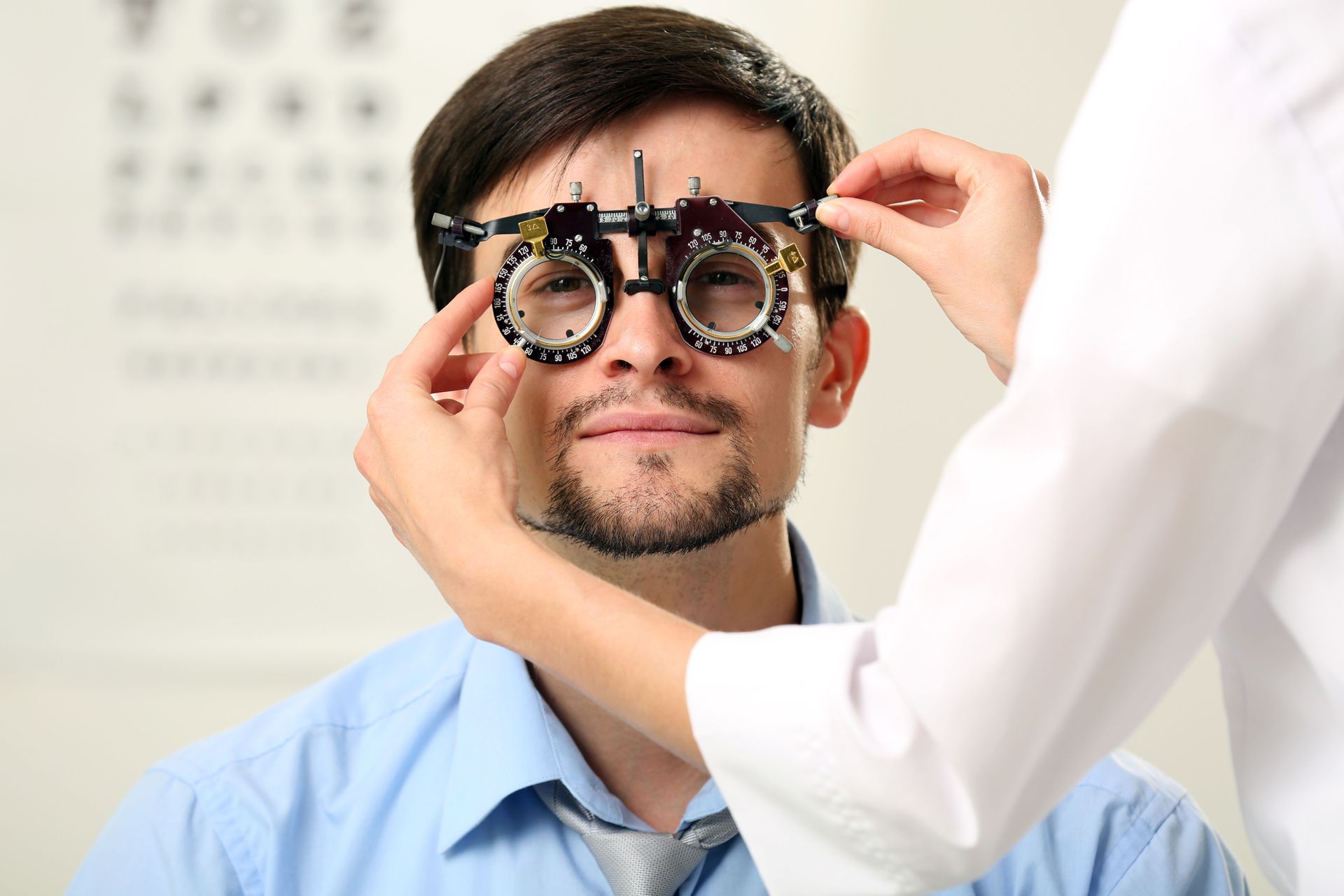
Visual acuity tests measure how sharply a patient can see using charts like the Snellen chart. These results guide opticians in identifying whether corrective lenses are necessary. A visual acuity test provides the first indication of refractive errors, which are corrected through precise prescriptions.
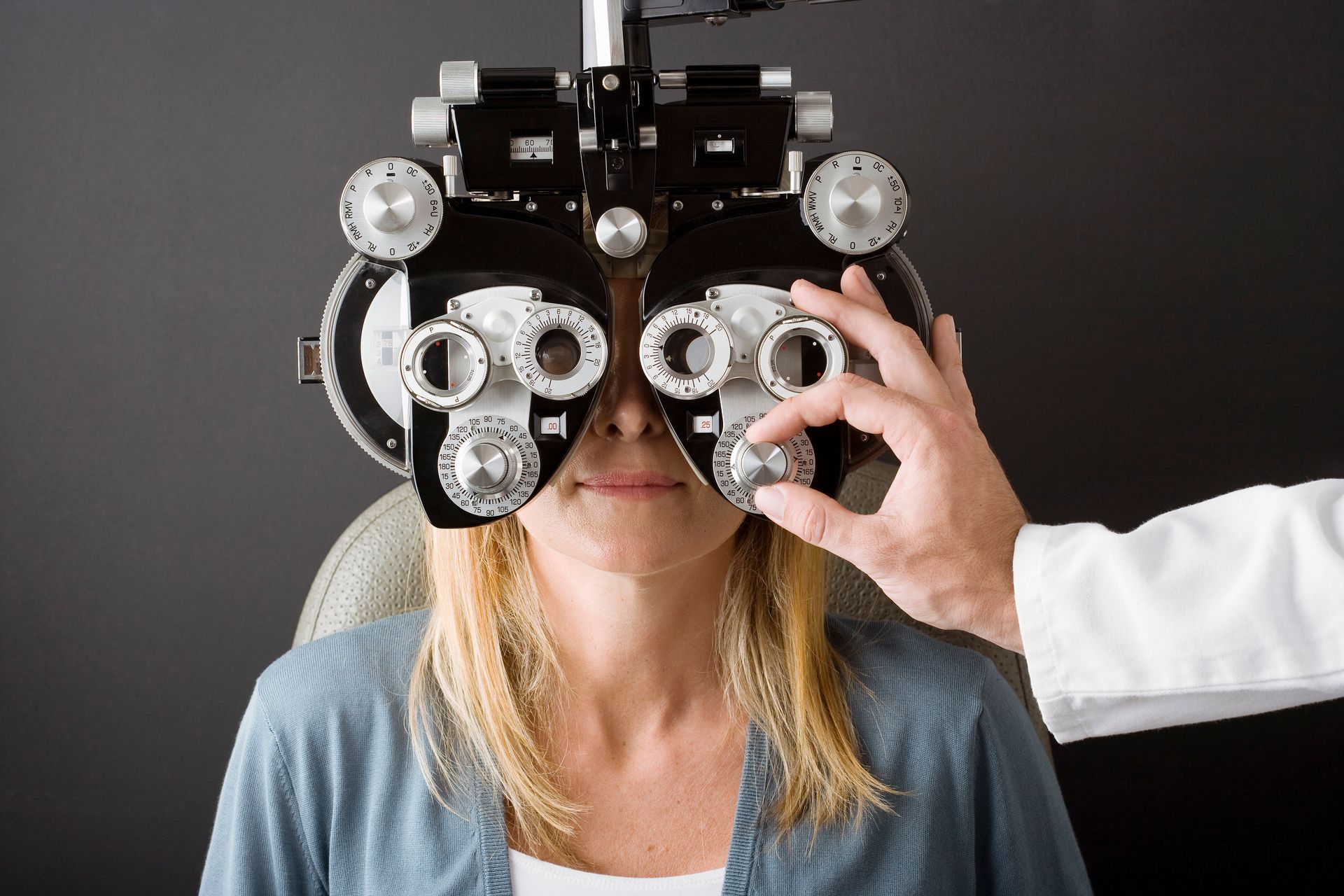
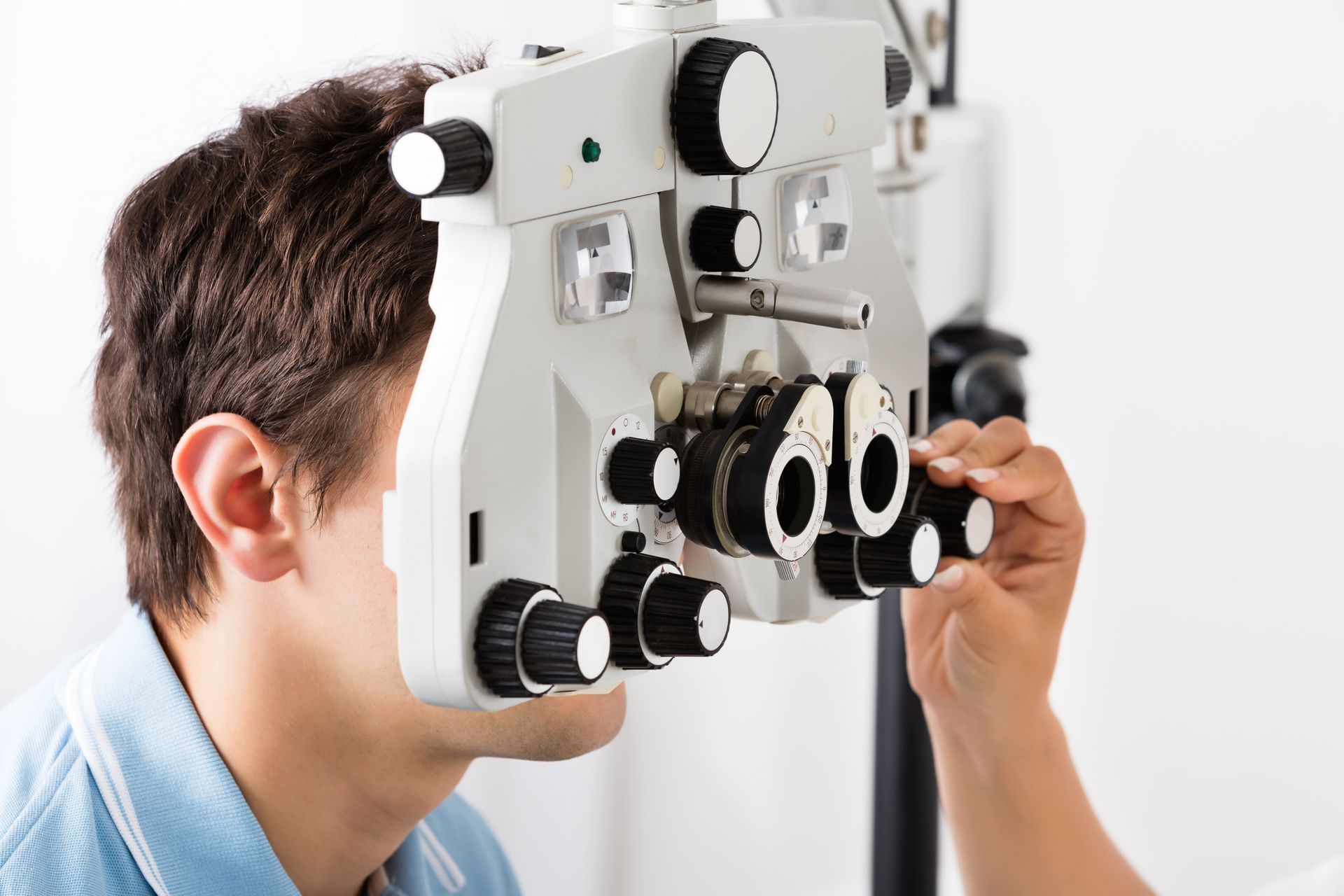
Refraction assessments refine these prescriptions by testing various lens strengths to determine the ideal correction. Eye doctors also evaluate eye coordination and movement to ensure both eyes function together effectively. These tests help identify subtle issues affecting daily activities and overall visual comfort.
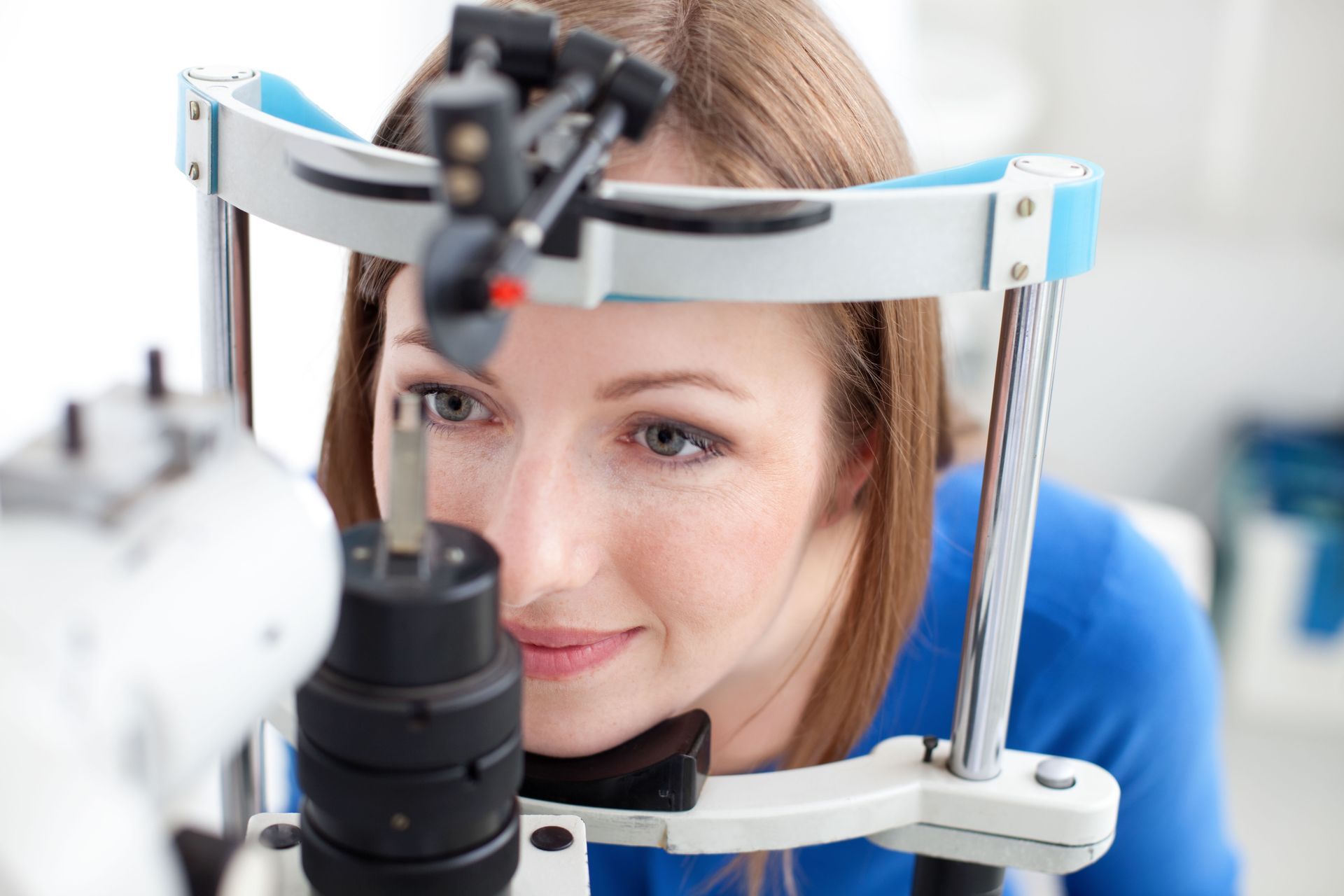
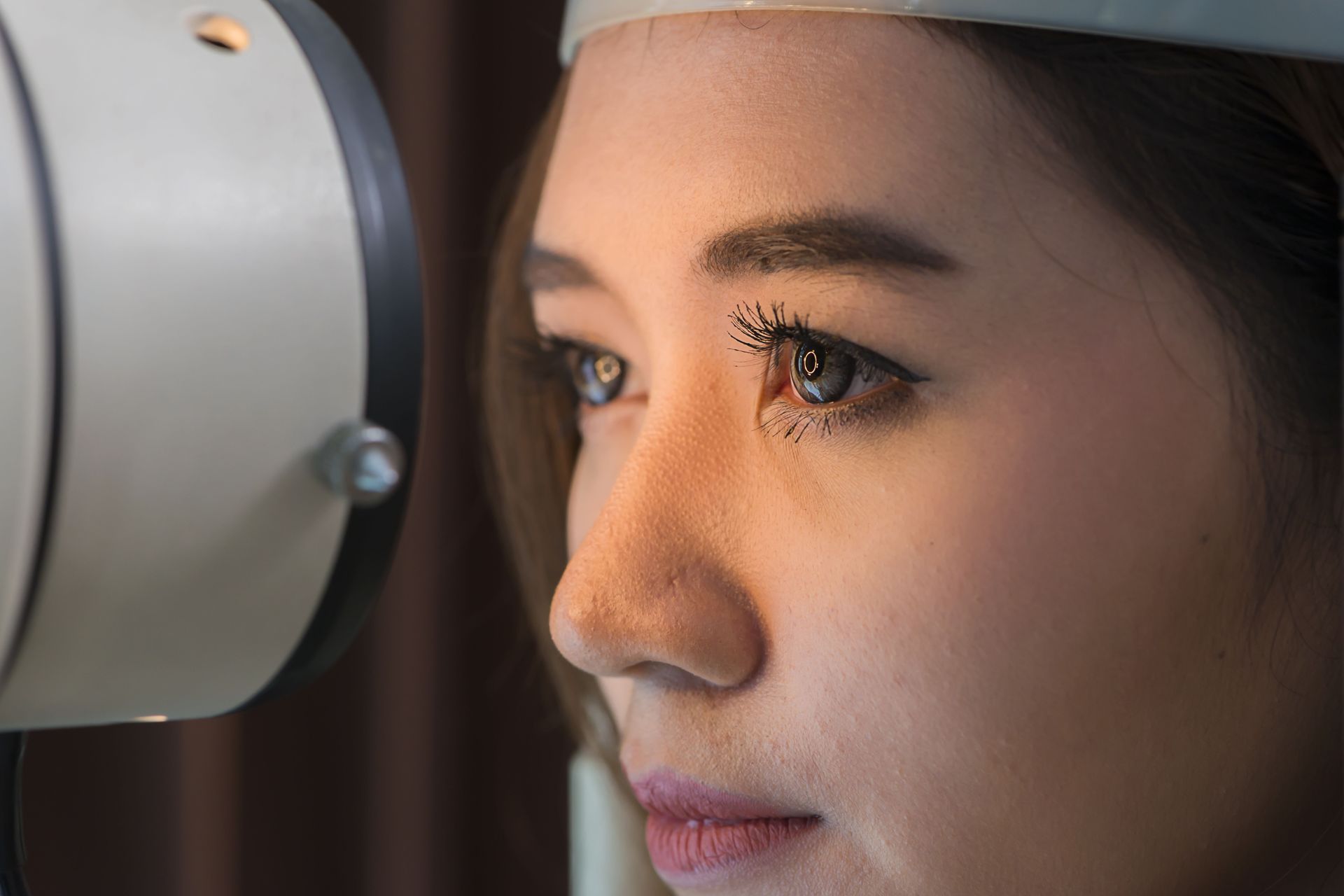
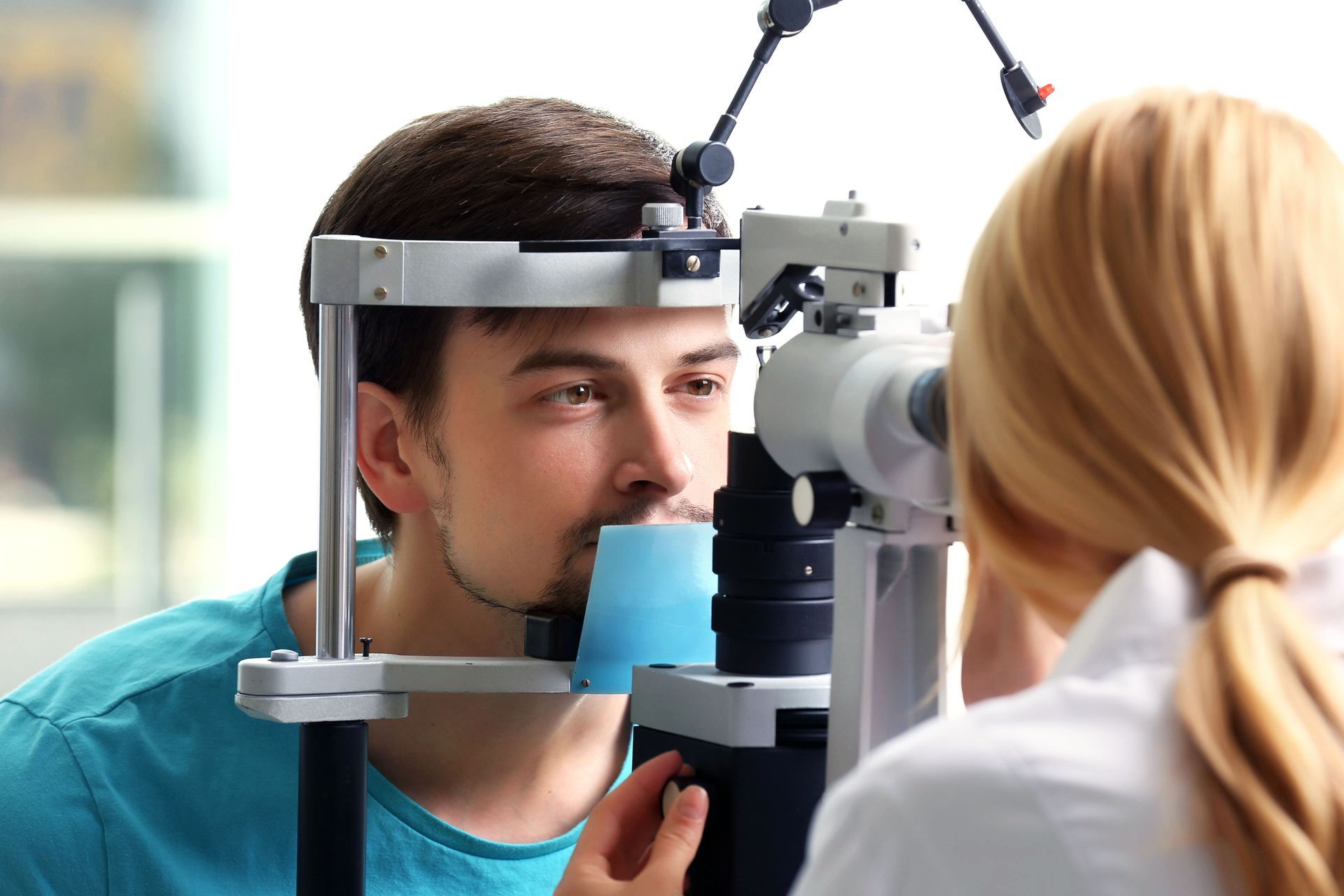
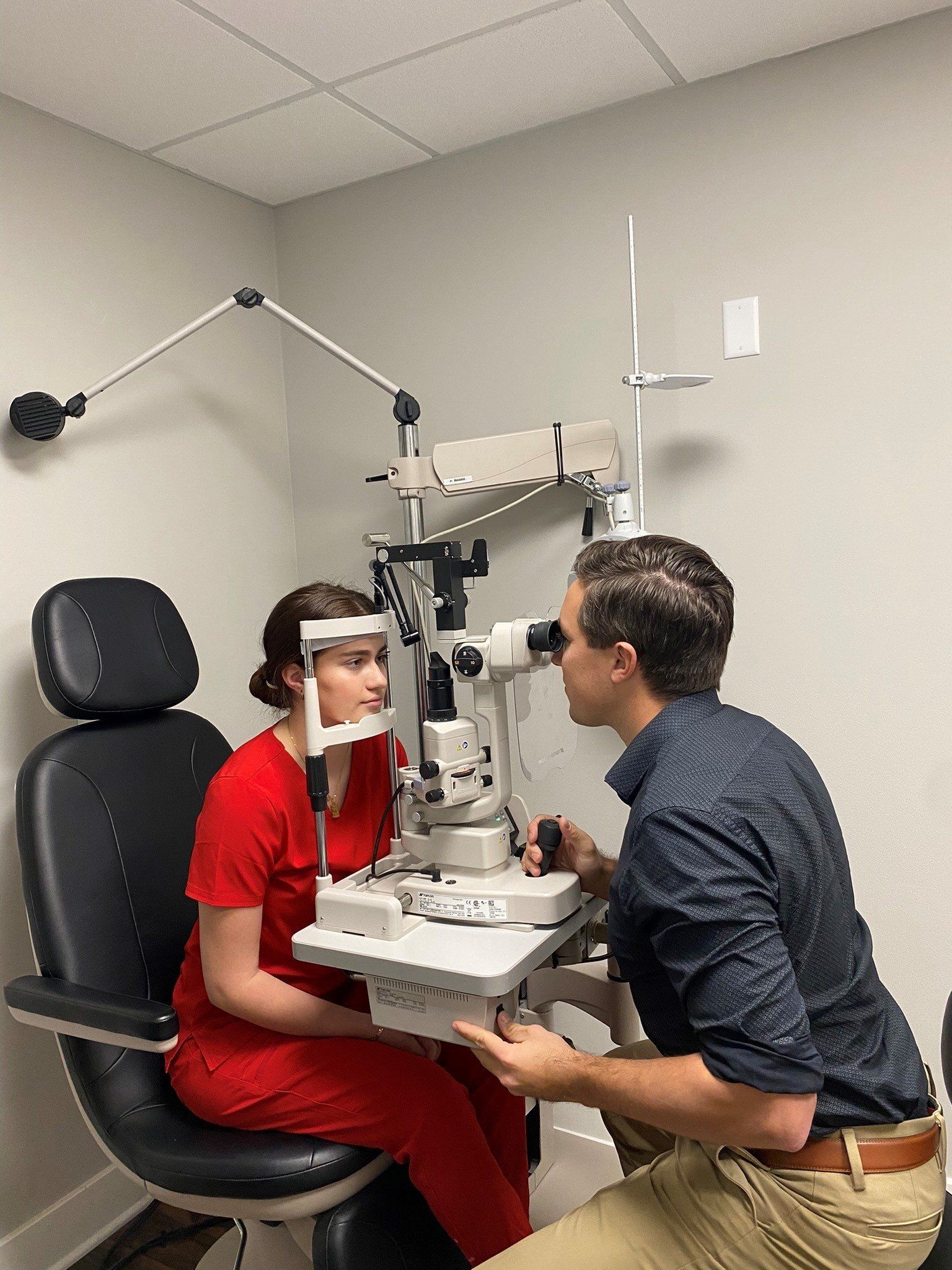
Advanced diagnostic tools, including ocular coherence tomography and OptoMap imaging, allow opticians to examine eye health beyond basic vision. By leveraging these technologies, they detect early signs of diseases like glaucoma or retinal conditions, ensuring proactive care and optimal vision outcomes.
Optometrists perform thorough evaluations to determine whether you need glasses, ensuring that every aspect of your eye health is considered. From initial history-taking to advanced diagnostic testing, these professionals provide the guidance necessary for clear vision. Regular check-ups maintain comfort, prevent complications, and address lifestyle-specific needs.
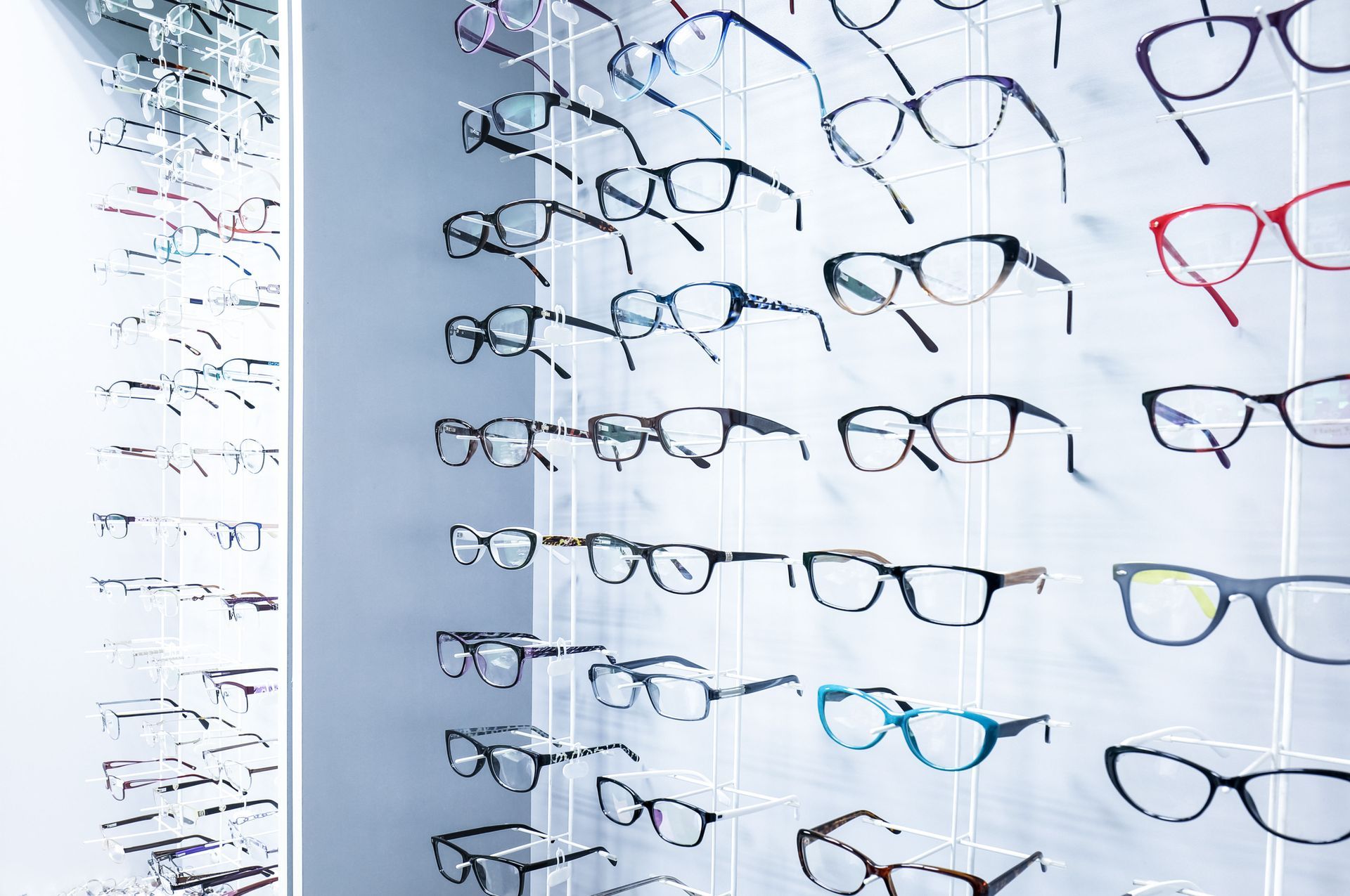
At Bright Side Eye Care, we prioritize comprehensive eye care and personalized prescriptions. With our services including glasses, contact lenses, medical and emergency visits, and OptoMap, we help patients protect and enhance their vision. Schedule an appointment with us today so we can help you maintain healthy, clear eyesight for years to come.

Share On: