
When people think about visiting their local eye care professionals, they often picture reading a chart of progressively smaller letters from across a room. However, the field of vision care is incredibly vast, complex, and fascinating. It encompasses far more than simply determining whether you need a new pair of glasses or a different prescription. The science of sight involves understanding how the brain and eyes work together, diagnosing complex conditions, and improving the daily lives of countless individuals. A trip to an optometrist office is truly an opportunity to explore the intricate marvels of human biology. From the long history of vision correction to the modern technological advancements that make preserving your sight easier than ever, there is a lot to learn about this specialized medical field. By understanding the breadth and depth of eye care, you can better appreciate the vital role it plays in your overall well-being. Here are some compelling and intriguing facts about this vital healthcare profession that might surprise you.
1. Optometry Has Deep Historical Roots
While modern vision care relies on highly advanced digital equipment, the foundational concepts of vision correction date back to ancient civilizations. Long before the invention of the computerized diagnostic tools found in a modern optometrist office, early scholars and inventors experimented with basic magnifying glasses and reading stones to help individuals with failing sight. Over time, these rudimentary tools evolved into the first wearable spectacles. As glassmaking techniques improved across the globe, the ability to craft specialized lenses became a reality, sparking a revolution in personal healthcare. People realized that poor vision was not an unavoidable part of life, but rather a condition that could be actively managed and corrected. This realization paved the way for the formal study of the eyes and visual systems. The profession slowly transitioned from a trade of simple lens crafting into a respected and regulated healthcare discipline. Today, professionals in this field undergo rigorous academic and clinical training to understand the complex anatomy of the eye, continuing a long tradition of scientific inquiry and medical innovation designed to help people see the world clearly.
2. Eye Exams Reveal Systemic Health Conditions
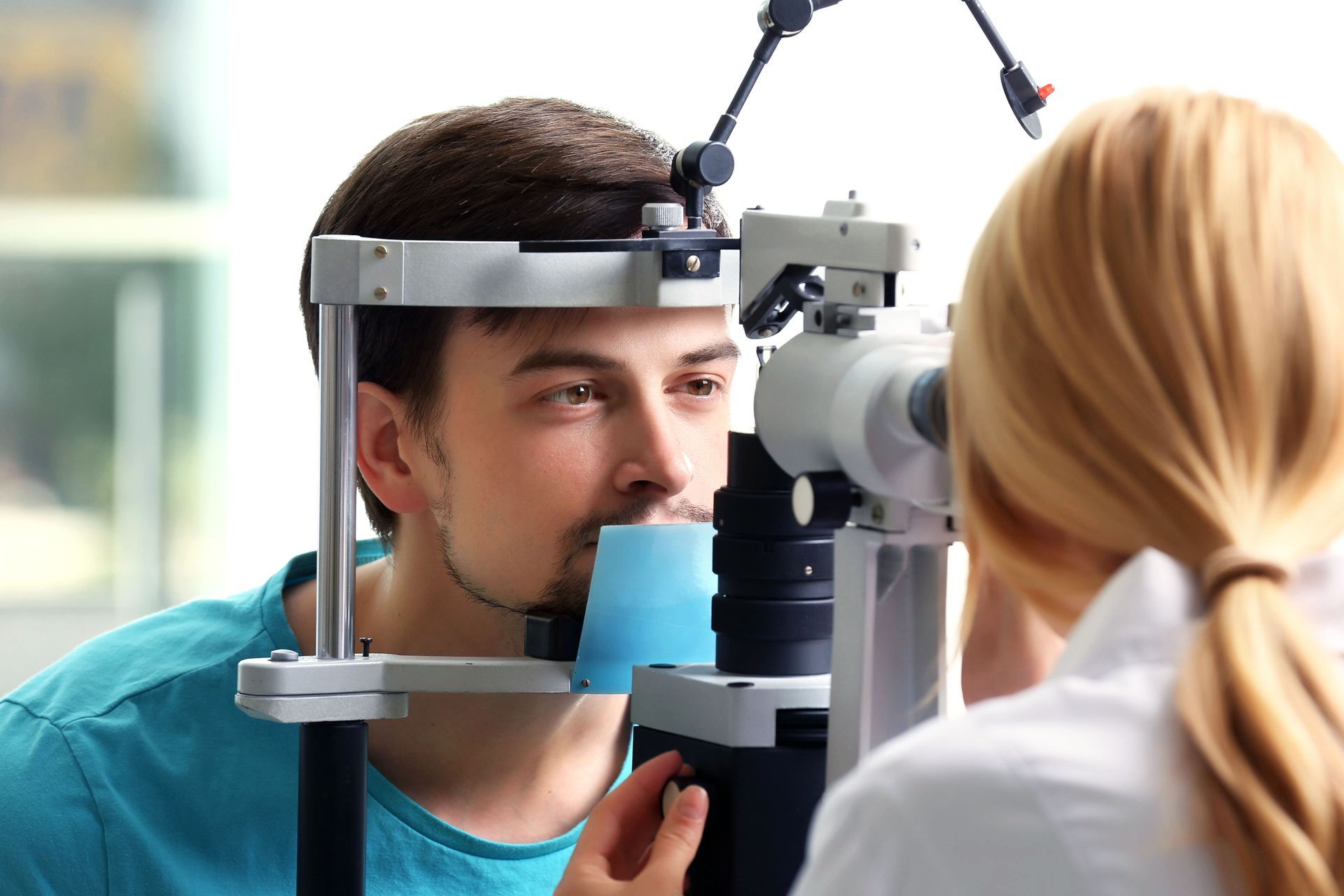
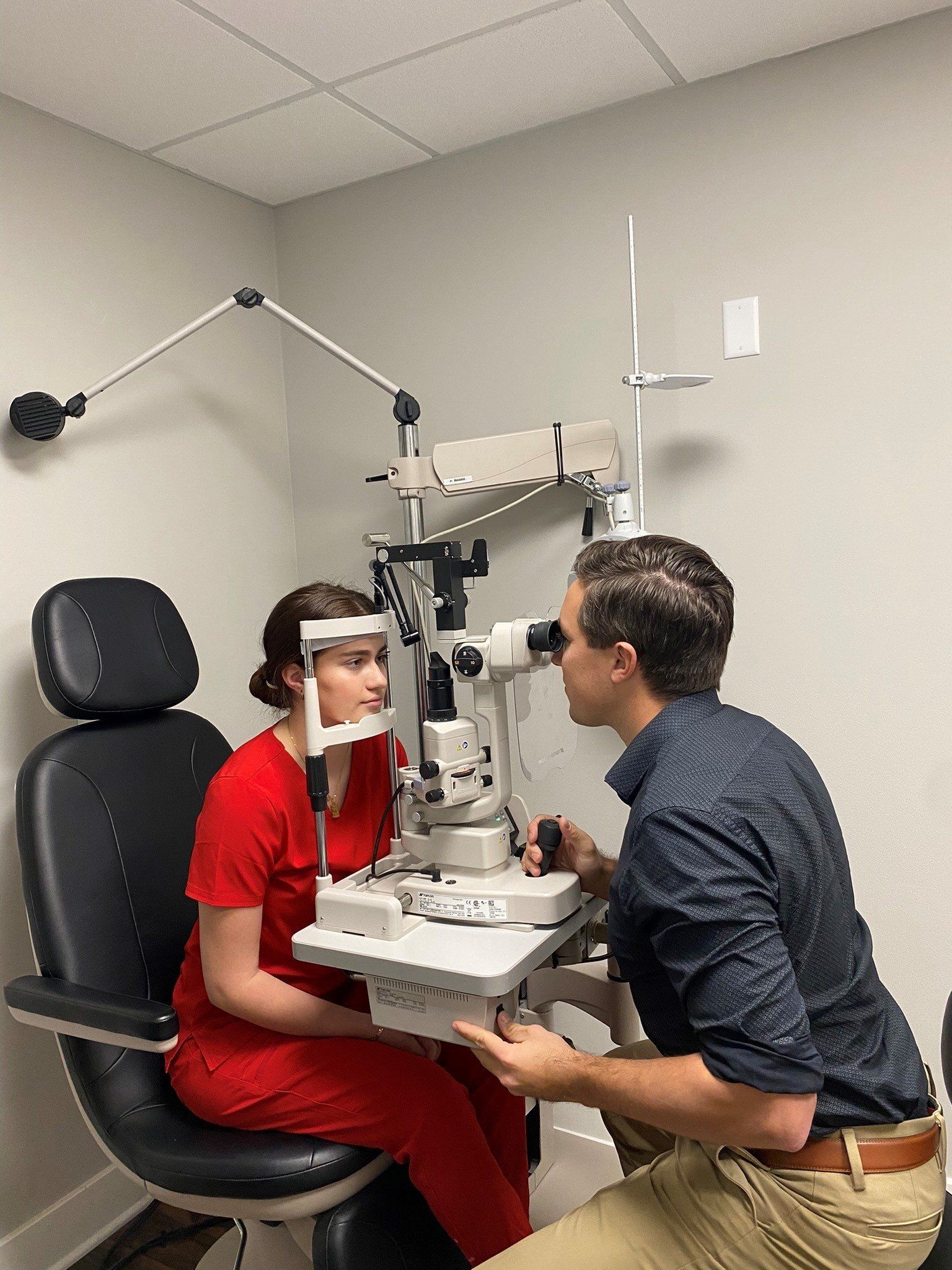
One of the most fascinating aspects of a comprehensive eye examination is that it provides a literal window into the rest of your body. The human eye is the only place where a doctor can non-invasively view live blood vessels and neural tissues in their natural state. When you schedule an appointment at an optometrist office, the doctor is not just checking your visual acuity; they are also looking for subtle signs of systemic diseases. Conditions such as diabetes, high blood pressure, and certain autoimmune disorders often manifest in the delicate structures of the eye long before other physical symptoms become apparent to the patient. By carefully examining the retina and the optic nerve, an eye care provider can detect these early warning signs and refer patients to other medical specialists for timely intervention. This unique diagnostic capability makes regular vision check-ups a critical component of your overall healthcare routine. By maintaining consistent appointments, you are safeguarding not only your sight but also your general health, proving that the eyes truly are connected to the entire bodily system.
3. Visual Health Impacts Daily Quality Of Life
It is easy to take good vision for granted until it begins to decline, but your visual health is deeply intertwined with your everyday comfort and productivity. Nearly every task you perform, from driving a car to reading a book to working on a computer, requires optimal visual function. When your vision is impaired or uncorrected, it can lead to a host of secondary issues, including chronic headaches, severe eye strain, and persistent fatigue. In today's digital age, where many people spend a vast majority of their waking hours staring at screens, the physical demands placed on our visual system are higher than ever before. Visiting an optometrist office can provide solutions to mitigate these modern challenges, such as specialized lenses designed to reduce glare and filter out harsh light. Furthermore, untreated vision problems can significantly impact learning and development in children, sometimes mimicking attention disorders. Ensuring that everyone, regardless of age, has access to proper eye care is essential for maintaining a high quality of life, fostering educational success, and promoting overall physical comfort throughout daily routines.
4. Corrective Lenses Are Highly Popular And Evolving
The sheer number of individuals who rely on vision correction is staggering, highlighting the universal need for accessible eye care services. For those who require vision assistance, the options have never been more diverse, comfortable, or technologically advanced. While traditional eyeglasses remain a popular and stylish choice, contact lenses offer a fantastic alternative for individuals seeking a wider field of view or a more active lifestyle without the hindrance of frames. According to CDC, 45 million people in the United States wear contacts. This massive reliance on contact lenses underscores the importance of proper hygiene, fitting, and routine medical oversight to prevent infections and maintain corneal health. When a patient visits an optometrist office for a contact lens fitting, they benefit from exact measurements and customized recommendations tailored to their unique eye shape and tear production. As materials science continues to advance, modern contacts are becoming more breathable and moisture-rich, allowing for longer, more comfortable wear. The constant evolution of these medical devices ensures that patients have excellent, highly customized options to correct their sight.
5. Preventive Care Preserves Sight For The Future
Many vision-threatening conditions develop silently, meaning they produce no noticeable symptoms until irreversible damage has already occurred. This is why preventive eye care is absolutely paramount for long-term health. Diseases like glaucoma, which slowly damage the optic nerve, can gradually steal a person's peripheral vision without them ever realizing it until the disease has reached an advanced stage. By prioritizing regular visits to an optometrist office, individuals can stay ahead of these silent threats. During a comprehensive exam, doctors utilize advanced imaging techniques to measure internal eye pressure and map the thickness of retinal layers, catching microscopic changes well before they impact visual acuity. Preventive care also involves discussing lifestyle factors, such as diet, ultraviolet light exposure, and smoking habits, all of which play a significant role in the development of macular degeneration and cataracts. Taking a proactive stance empowers patients to make informed decisions about their health. The key takeaway is that waiting until your vision becomes blurry is never the best strategy; proactive, routine examinations are the only definitive way to preserve your precious sense of sight for the future.
The intricacies of the human eye and the science of vision correction demonstrate just how remarkable this field of healthcare truly is. From its ancient origins to its modern role in detecting systemic health issues and providing advanced corrective options, eye care is an indispensable part of maintaining your overall well-being. Prioritizing your visual health allows you to experience the world with clarity, comfort, and confidence, while also safeguarding against silent diseases that could compromise your future sight. If you are overdue for a comprehensive examination or if you simply want to ensure your eyes remain in peak condition, now is the perfect time to prioritize your vision. Scheduling a visit to an optometrist office ensures you receive the personalized, thorough care you deserve. Take the first step toward clearer vision and better health by calling Bright Side Eye Care today to learn more and book your next appointment.



Share On: